
Key Takeaways
- Instagram consistency in 2026 depends on production capacity. Predictable posting beats short bursts followed by silence.
- The four main failure modes are no production buffer, no idea bank, no repeatable formats, and no capacity when you are unavailable. Each has a clear fix.
- Weekly batch production using research, film, edit, and schedule steps builds a one-to-two-week content buffer that survives bad weeks.
- Content pillars and reusable assets keep ideas flowing, while scheduling tools publish on time even when you cannot create.
- Sozee removes the supply-side bottleneck by locking likeness, reusing settings, and turning one image into multiple posts across platforms.
Build Your First Content Buffer With Sozee
The Four Failure Modes That Break Instagram Consistency
Most consistency advice assumes you already have content ready to post. The recurring failure is opening an empty composer with no queued idea, no angle, and no draft, then pushing the task to tomorrow instead of publishing today. Here are the four failure modes and how to fix each one.
- No Production Buffer: You are always shooting today’s post today, so one cancelled shoot day breaks the streak. The fix is to build a one-to-two-week buffer. Because you are working ahead of the publish date, a bad day only eats into slack instead of ending your run. A two-week content buffer is the difference between a system and a habit — a habit dies the first week you get sick, a buffered queue does not.
- No Idea Bank: You face a blank screen every morning and decision fatigue wins by Wednesday. The fix is to build content pillars and a saved concept list so you never start from zero. Separating discovery (deciding what to say) from production (making the artifact) into different blocks on different days means production starts from a written queue of angles instead of a blank page.
- No Repeatable Formats: Every post is invented from scratch, so production time never decreases. The fix is to lock three to five formats you can refill, such as carousel templates, Reel structures, and Story sequences. Repeatable formats such as a recognizable short-form structure of hook → insight → example → takeaway reduce decision fatigue and make improvement measurable.
- No Capacity When You Are Unavailable: Travel, illness, or low energy pause production and the account goes quiet. The fix is to use reusable assets and scheduling so the account stays active when you cannot create. Consistency holds when the production system is built to absorb a bad week.
Fix Your Production Bottleneck
How Often You Should Post On Instagram In 2026
Your posting tier matters less than holding it for six months. Choose a level you can sustain, then stay there.
- Beginner: 3 feed posts per week plus 3–5 Stories.
- Growth-Focused: 4–5 feed posts per week plus daily Stories.
- Full-Time: 5–7 feed posts per week plus daily Stories and 2–3 Reels.
Adam Mosseri, Head of Instagram, recommends a couple of feed posts per week and a couple of Stories per day as the baseline, and notes that accounts posting Stories consistently see fewer unfollows. A Buffer analysis of 2.1 million posts from more than 102,000 Instagram accounts found that accounts posting 3 to 5 times per week saw roughly 12% higher reach per post than those posting once or twice. Buffer’s 2026 frequency guide and Hootsuite’s Q1 2025 posting analysis both converge on 3 to 5 Instagram feed posts per week as the recommended cadence.
Use the six-month test: hold your chosen cadence for half a year without burning out. If that feels impossible, drop a tier. The right posting cadence is the one you can still be running next August.
Building A Content Pillar System
Content pillars are the 3–5 recurring themes every post falls into. They remove the blank screen because you always start from a pillar instead of a random idea. Building content around 3 to 5 content pillars reduces the need to reinvent content daily and makes planning and repurposing easier.
Common pillars include:
- Education: Teach one specific thing your audience wants to know.
- Behind-The-Scenes: Show the process, the workspace, and the real moments.
- Product: Feature what you sell or promote.
- Personal Story: Share a lesson, a failure, or a win.
- Trend Response: React to what is happening in your niche.
With pillars in place, a week of content becomes one education post, one behind-the-scenes post, one product post, and one personal story. The slots are defined and you simply fill them. Creators who batch content with a calendar cut planning time by 50–60% and post 3–5x more consistently than those who do not use a calendar.
How To Batch Create Instagram Content In One Day
Batching works when it follows a clear sequence instead of a vague instruction to “batch your content.” The core problem with Instagram consistency is operational: if every Reel depends on a same-day idea, edit, caption, approval, and upload, the schedule will not hold.
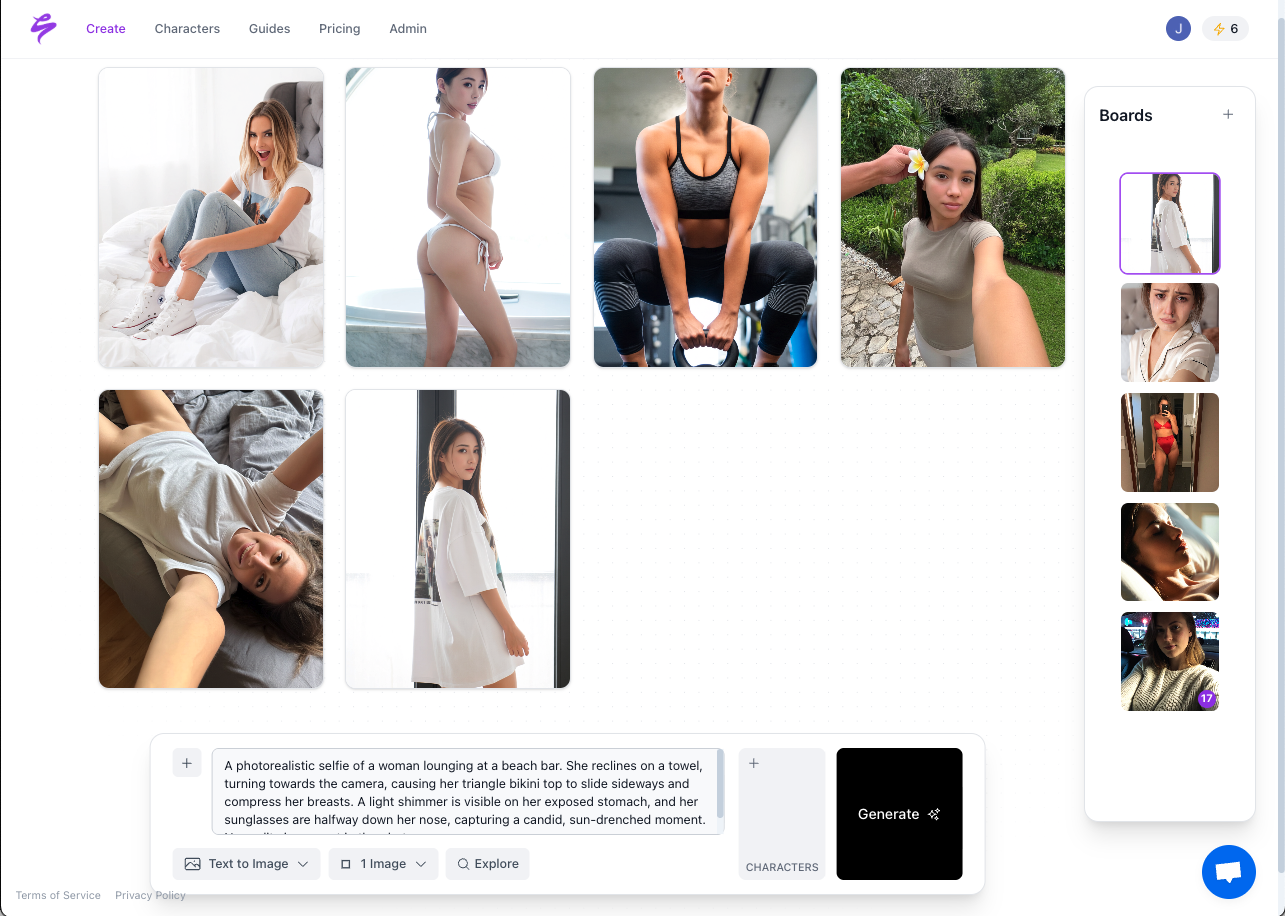
Use this weekly sequence:
- Research (30–45 Min): Review what performed last week, check trends, and pull 5–10 ideas from your pillar list.
- Film (90–120 Min): Shoot all photos and video in one session. Use consistent lighting and settings.
- Edit (60–90 Min): Edit all assets in one pass. Write captions and prepare carousels.
- Schedule (30 Min): Load everything into your scheduler and set posting times.
This sequence builds a one-to-two-week buffer. The goal is to avoid shooting today’s post on the same day it goes live. One well-prepared half-day shoot yields 8 to 12 Reels with a smart plan — a full month of content.
The Named Instagram Rules Decoded
Once your production system is running, the next decision is what to post each week. Several named rules circulate as shortcuts for content mix and engagement, but most are practitioner frameworks rather than official Instagram guidance. Here is what each rule means and how to use it.
- 5-3-1 Rule: Out of every nine posts, five educate or entertain, three build connection, and one sells. Verdict: useful as a content-mix default. There is no single authoritative definition and the phrase is not documented by Instagram anywhere.
- 3-2-1 Rule: A weekly mix of three teaching-or-proof posts, one connect post, and one sell post, where the rotation matters more than the exact ratio. Verdict: same idea as 5-3-1 with different numbers, so focus on rotating value and promotion.
- 80/20 Rule: 80% of content is valuable and 20% promotional, derived from a broader marketing principle where most effort builds trust and a smaller portion focuses on selling. Verdict: the most durable of the named rules because it fits any posting frequency.
- 4-1-1 Rule: For every self-promotional post, share four pieces of relevant content from others and one original piece of your own, which carries more sharing than an Instagram feed usually supports. Verdict: the useful takeaway is the one-in-six promotion ratio.
- 3-Second Rule: A performance heuristic, not an Instagram-published rule. The 3-second mark is where Instagram measures the first-pool test, while the actual viewer decision is largely made by 1.5 seconds, and by that point the retention gap between passed and failed Reels is already 23 percentage points. Verdict: hook attention earlier than three seconds.
The Weekly Instagram Operating System
This weekly operating system separates production from publishing so your buffer grows instead of resetting every few days. Use the template as a starting point and adjust the days to match your schedule.
| Day | Production Task | Posting Task |
|---|---|---|
| Monday | Research: Review Performance, Pull 5–10 Ideas | Post Feed Content |
| Tuesday | Film: Shoot All Photos And Video | Post Stories |
| Wednesday | Edit: Edit Assets, Write Captions | Post Feed Content |
| Thursday | Schedule: Load Everything Into Scheduler | Post Stories |
| Friday | Engage: Respond To Comments And DMs | Post Feed Content |
| Weekend | Rest Or Light Stories | Post Stories |
Pair this system with your chosen cadence tier. Production happens Monday through Thursday, while posting runs on its own schedule. The buffer builds over time. A rolling content queue of 7 to 14 days provides adequate protection against short-term illness or busy work cycles without making content feel outdated.
Put This Weekly System Into Practice
How To Stay Consistent On Instagram When You Cannot Produce
Travel, illness, and burnout are inevitable for long-term creators. Burnout is the single most common reason talented creators disappear. It ends 60% of creator careers within three years. Your account needs a plan that survives a bad week.
Reusable assets and scheduling keep the account alive when you cannot create. This is where Sozee becomes a structural answer instead of a short-term hack.
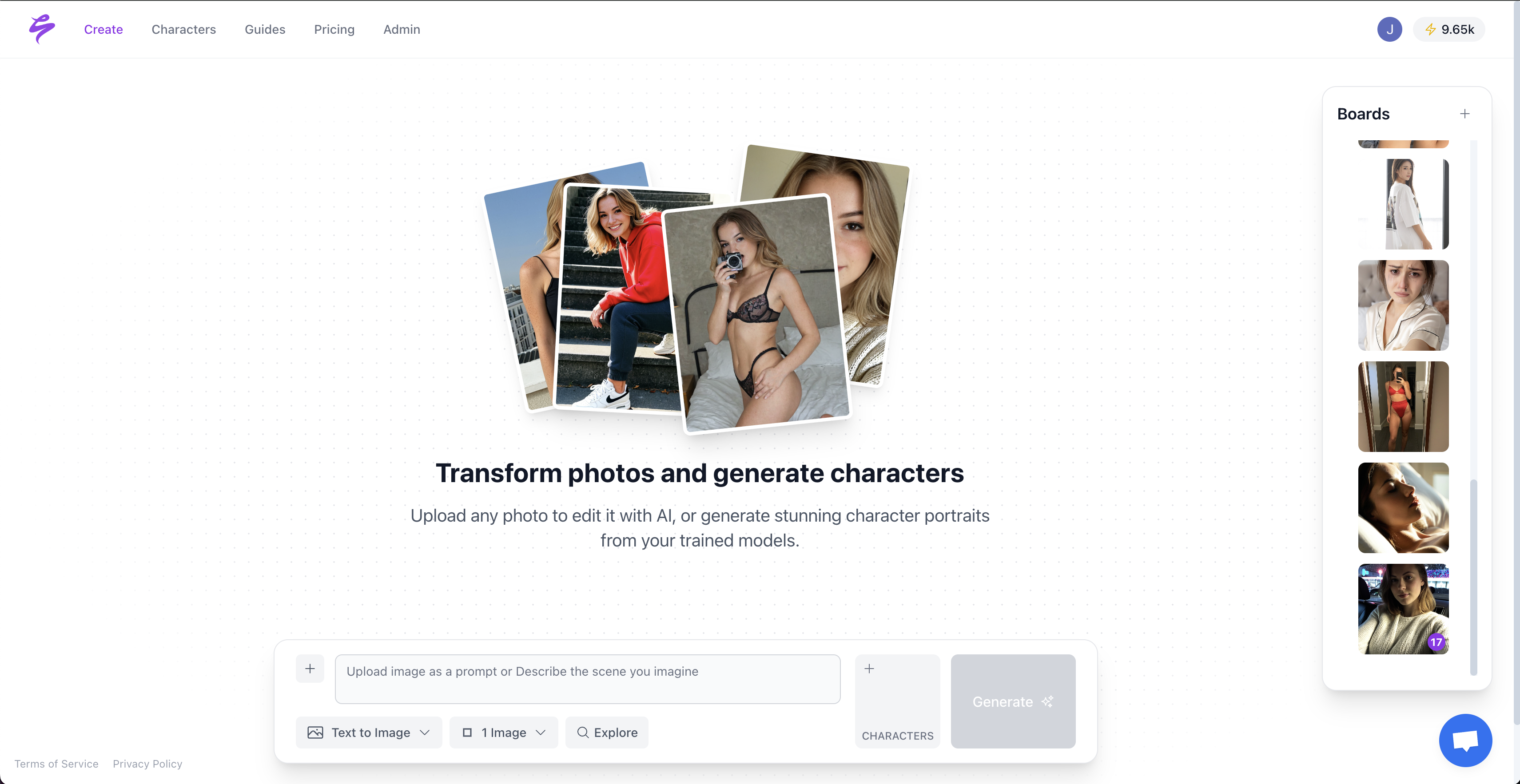
Sozee attacks the problem at the source by locking your likeness so every frame shows the same face, body, and world. That consistency means you can generate new content without a fresh shoot every time. Because settings and outfits are built once and reused, a single Photo Shoot image expands into a locked set of up to ten assets. From there, the Scheduler connects Instagram, TikTok, X, Facebook, Reddit, and Fanvue per character. Each platform gets its own caption and a live preview. Analytics then split what Sozee posted from what you posted, so you can see exactly what the system is worth.
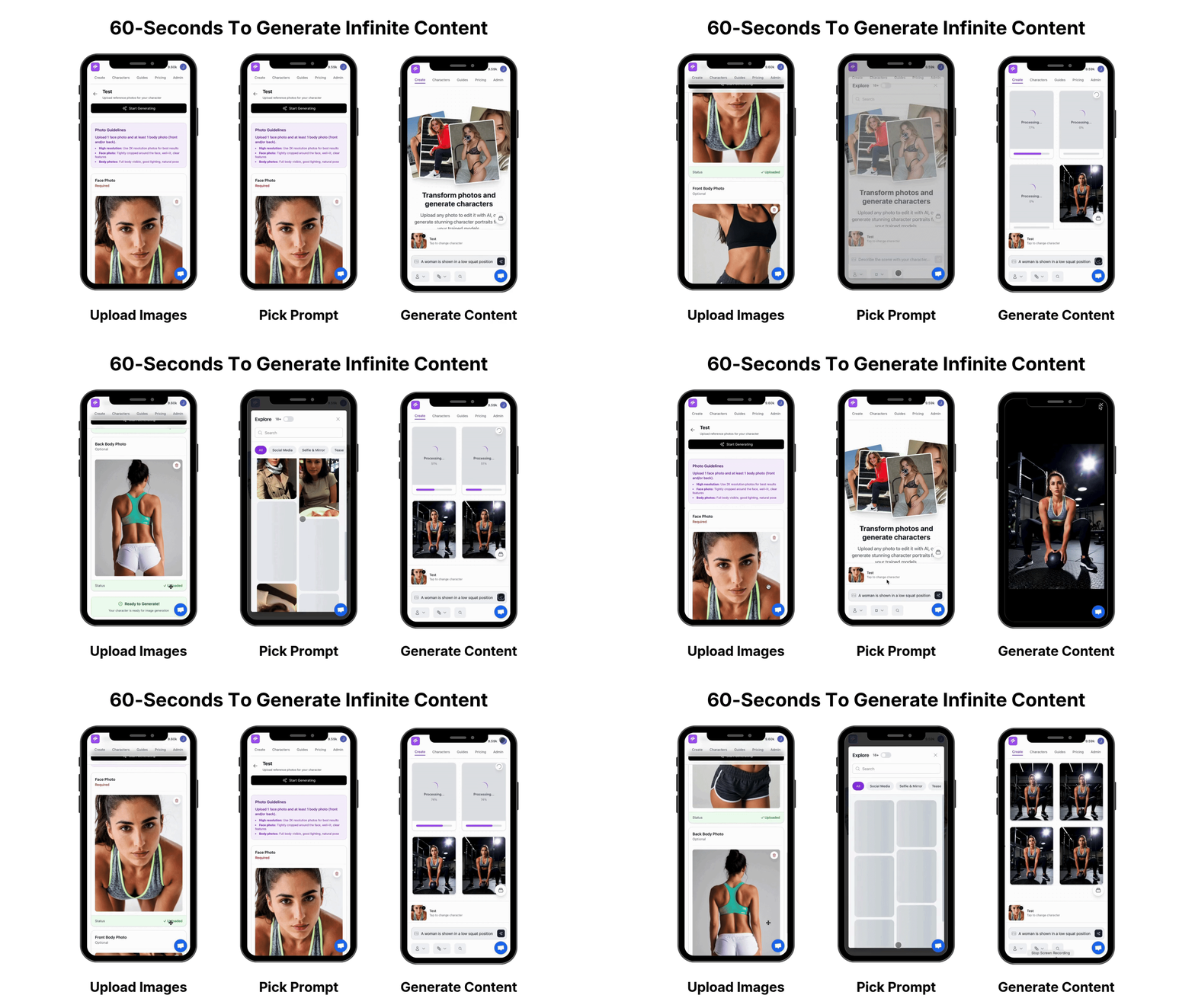
Sozee removes the supply-side bottleneck that makes consistency collapse. When you cannot produce, your buffer produces for you. For more on building a sustainable posting rhythm, see How To Fix Inconsistent Social Media Posting Schedule and How To Maintain Creator Content Consistency: 7 Steps.
What A Production-Grade Instagram Scheduler Needs
A scheduling tool needs to do more than queue posts. A production-grade scheduler supports your entire workflow from planning to analytics.
- Multi-Platform: Post to Instagram, TikTok, X, Facebook, Reddit, and Fanvue from one place.
- Per-Character: Manage multiple characters or brands without cross-posting confusion.
- Caption Per Platform: Write different captions for different platforms.
- Live Preview: See exactly what the post will look like before it publishes.
- Analytics Split: See what you posted versus what the tool posted.
Most serious Instagram operations still run two to four specialized tools together rather than one all-in-one platform. Sozee’s Scheduler and Analytics close the loop from production to publishing to measurement in a single platform. The visual consistency that makes a feed recognizable is built into every generation through locked likeness and reusable settings.
Frequently Asked Questions
What Is The 5-3-1 Rule On Instagram?
The 5-3-1 rule is a content-mix heuristic: out of every nine posts, five educate or entertain, three build connection, and one sells. The phrase does not appear in official Instagram documentation, so treat it as a practitioner framework. A second version of the rule describes a daily engagement habit of five likes, three meaningful comments, and one follow per day within your niche. The content-mix version is usually more helpful for maintaining a healthy posting rotation.
How Often Should You Post On Instagram In 2026?
As the Buffer data above shows, 3 to 5 feed posts per week is the balance point for most accounts. That range keeps reach gains strong while limiting audience fatigue. Adam Mosseri, Head of Instagram, recommends a couple of feed posts per week and a couple of Stories per day as a practical baseline. The crucial variable is whether you can hold your chosen cadence for six months. A steady three posts per week for a year outperforms a frantic sprint that collapses after a few weeks.
How Do You Stay Consistent On Instagram When You Do Not Feel Like Posting?
Use reusable assets and scheduling so the system carries you through low-motivation weeks. The buffer described earlier is what protects your streak when you have a bad day. Practically, this means completing a weekly production session of research, film, edit, and schedule so the queue is full before the week begins. When motivation drops, the queue still posts on schedule. Sozee extends this further by locking likeness, reusing settings and outfits, and turning one image into a full set of up to ten assets, so a single production session can cover weeks of posting across multiple platforms.
Does Posting Consistency Affect The Instagram Algorithm?
Yes. Instagram’s algorithm evaluates each post on recency, relevance, and the viewer’s relationship with the account. Accounts that post consistently signal they are active and reliable, which keeps recency signals alive and relationship weighting strong. A Buffer consistent-posting study found that Instagram accounts posting in 20 or more of 26 weeks earned roughly 5x more engagement per post than sporadic posters. A 2026 peer-reviewed marketing study found statistically significant positive relationships between posting consistency and average monthly likes and comments. Reach usually recovers within a few posts after a pause, but the gap itself suppresses distribution while it lasts.
What Is The Fastest Way To Build A Content Buffer On Instagram?
Run one dedicated production session per week and add three posts to your queue beyond what you plan to publish that week. Within two to three weeks you have a rolling buffer. The session has three parts: collect angles from audience questions, field trends, and pillar topics; draft everything in one pass without editing; then edit and schedule in a single formatting block. Batching similar tasks — writing all hooks at once, filming all clips in one session, editing all assets together — cuts total production time compared to creating each post from scratch on the day it publishes. AI-assisted production tools like Sozee compress the filming and editing steps further by generating a full locked set from one image, which removes the need for a physical shoot on every production day.
Conclusion: The Six-Month Cadence
Consistency is a production-capacity problem. The four failure modes have practical fixes and the weekly operating system gives you a template to follow. As noted earlier, the steady cadence wins over the sprint.
In 2026, the creators who win post consistently with AI-assisted production, scheduling tools with analytics, and fewer, higher-quality posts. Sozee makes the six-month cadence realistic by removing the supply-side bottleneck that makes consistency collapse through locked likeness, reusable settings, Photo Shoot sets, and a Scheduler that keeps the account active when you cannot create.
Start Your Six-Month Consistency Run